Thursday, June 8, 2023

LoRaWAN® Networks with Optimal Power Management

In the realm of Internet of Things (IoT) and low-power wide-area networks (LPWANs), LoRaWAN® stands tall as a prominent protocol enabling long-range wireless communication with minimal energy consumption. If you often get confused about battery life while deploying a LoRaWAN® Network, then this article is for you.

Since, battery life is a critical aspect to consider in LoRaWAN® deployments. Efficiently estimating battery life is crucial for maintaining reliable and sustainable operations in IoT devices. In this article, we delve into the factors that influence battery life in LoRaWAN® networks and explore how they can be calculated, empowering businesses to optimize power usage and prolong device autonomy.

·         Transmission Frequency:

The frequency at which data is transmitted has a significant impact on battery life. LoRaWAN® devices can be programmed to send data at regular intervals or triggered by specific events. Increasing the transmission frequency will consume more power as the device needs to activate its radio module more frequently.

·         Radio Interference and Transmission Retries

A radio transmission is a combination of data transmission and a successful response (ACK) from LoRaWAN® Gateway. The significant amount of radio interference may have caused much difficulty in data transmission and listening and results in a longer data transmission. If the LoRaWAN® Gateway fails to receive and acknowledge data, the LoRaWAN® Sensors or Sensor Node will retry until they receive a successful ACK from it. This process will drive negative influence to battery life. To better protect your LoRaWAN® Sensors, Sensor Nodes, and batteries, try to use channels that have little radio interference from other devices.

·         Data Payload:

The size of the data payload transmitted by a LoRaWAN® device affects battery life. Larger payloads require more energy to transmit, leading to increased power consumption. Optimizing the payload size can help conserve energy and extend battery life.

·         Transmit Power:

The transmit power level determines the range of communication between LoRaWAN® devices and gateways. Higher transmit power settings consume more energy, as the device requires more power to transmit signals over longer distances. Adjusting transmit power to match the required range can help conserve battery life.

·         Sleep Duration:

LoRaWAN® devices can be programmed to spend most of their time in a sleep mode to conserve power. The sleep duration, which refers to the period when the device remains inactive, plays a vital role in battery life calculation. By reducing the sleep duration, the device spends more time awake and consuming power.

·         Duty Cycle Limitations:

LoRaWAN® networks enforce duty cycle limitations to prevent network congestion and interference. These limitations restrict the amount of time a device can transmit within a specific time window. Adhering to these limitations ensures network fairness and efficient utilization of battery power.

·         Environmental Factors:

The operating environment of LoRaWAN® devices can significantly impact battery life. Factors such as temperature, humidity, and signal interference can affect power consumption. Extreme temperatures can cause batteries to discharge faster, while signal interference may lead to retransmissions, consuming additional energy.

·         Battery Capacity:

The capacity of the battery itself determines the amount of energy available for device operation. Battery capacity is measured in milliampere-hours (mAh) or watt-hours (Wh). The higher the battery capacity, the longer the device can operate before requiring a recharge or battery replacement.

Consider using the following generic calculator to estimate battery life and capacity:

Variables:

C = Battery capacity (mAh)

BL = Battery life (years)

Is = Current in sleep mode (mA)

Itx = Current in transmit mode (mA)

Irx = Current in receive mode (mA)

Imeas = Current in measurement mode (mA) [depends on technology and application]

Ttx = Time in transmit mode (ms)

Trx = Time in receive mode (ms)

Tmeas = Time in measurement mode (ms) [depends on technology and application]

Ta = Total active time (ms)

Ta = Ttx + Trx + Tmeas

U = Usable capacity after accounting for self-discharge (%)

N = Number of device activations per day

cU = Capacity after accounting for discharge rate (mAh) = C * (U/100)

T = Milliseconds per hour = 3600000

cA = Active capacity usage per day = N * (Ttx * Itx + Trx * Irx + Tmeas * Imeas) / T

cS = Sleep capacity usage per day = Is * (24 - ((Ttx + Trx + Tmeas) * N / T))

cT = Total capacity consumed per day = cA + cS

Battery Life (days) = (cU / cT) / 24

Battery Life (years) = days / 365.24

By inputting the relevant values for each variable into this calculator, you can calculate the estimated battery life and capacity based on your specific application and technology.

Understanding the factors that influence battery life in LoRaWAN® networks is essential for optimizing power consumption and ensuring prolonged device autonomy. Efficient battery management plays a pivotal role in achieving sustainable and successful deployments in the ever-expanding world of LoRaWAN®-enabled IoT.

Friday, May 26, 2023

Transforming Lift Irrigation with LoRaWAN: Agricultural Water Management


Introduction:

Water scarcity and inefficient irrigation practices have long been challenges faced by the agricultural sector. However, with the advent of innovative technologies, there is hope for improved irrigation efficiency and optimal water usage. One such transformative technology is the automation of lift irrigation systems using LoRaWAN (Long Range Wide Area Network). In this article, we will delve into the exciting potential of integrating lift irrigation with LoRaWAN, revolutionizing agricultural water management and promoting sustainable farming practices.

Understanding Lift Irrigation:

Lift irrigation is a method that involves pumping water from a lower to a higher elevation, allowing it to flow through canals or pipelines to irrigate farmland. Traditionally, these systems have been manually operated, relying on human intervention to control water flow and distribution. Unfortunately, this approach often leads to inefficiencies, resulting in water wastage and suboptimal crop growth due to uneven distribution.


The Role of LoRaWAN:

LoRaWAN, a low-power, wide-area networking technology, offers an ideal solution for lift irrigation automation. By integrating LoRaWAN into these systems, several significant advantages can be realized:

  1.        Real-time Monitoring: LoRaWAN enables the installation of sensors throughout the lift irrigation infrastructure, allowing for real-time monitoring of crucial parameters such as water flow, pressure, and soil moisture levels. This information provides valuable insights into the irrigation process, enabling farmers to make data-driven decisions.
  2.       Remote Control and Automation: LoRaWAN facilitates remote control of lift irrigation systems. Farmers can monitor and adjust water flow, timing, and distribution from a centralized control center or even through mobile applications. This automation eliminates the need for constant physical presence at the site, saving time and effort for farmers.
  3.      .Precise Water Management: With LoRaWAN-enabled sensors, farmers can access accurate and up-to-date data on soil moisture levels in different areas of the fields. This information helps them precisely tailor the irrigation schedule and water delivery, ensuring that crops receive the optimal amount of water for healthy growth while avoiding over-irrigation.
  4.     Water Conservation: By using LoRaWAN for lift irrigation automation, water conservation becomes a priority. The ability to closely monitor and control water usage helps minimize wastage and prevent over-irrigation, resulting in significant water savings. This not only addresses the issue of water scarcity but also promotes sustainable agricultural practices.
  5.     Enhanced Crop Yield and Quality: Efficient water management through LoRaWAN automation positively impacts crop yield and quality. By ensuring that crops receive an adequate and timely water supply, farmers can optimize growth conditions and minimize the risk of water stress, leading to healthier plants and improved yields.

Challenges and Considerations:

While the integration of lift irrigation with LoRaWAN brings numerous benefits, there are a few considerations to keep in mind:

  •      Initial Investment: Implementing LoRaWAN technology requires an initial investment in infrastructure, including sensors, gateways, and network setup. However, the long-term benefits and potential cost savings from efficient water management outweigh the initial costs.
  •          Connectivity and Range: LoRaWAN operates on low-power, long-range connectivity, but the range can be influenced by geographical factors and obstacles. It is crucial to plan the positioning of gateways and sensors to ensure reliable communication and coverage throughout the lift irrigation system.
  •          Data Security: As with any technology, data security is paramount. Farmers must ensure that adequate measures are in place to protect the data collected by LoRaWAN sensors and gateways, preventing unauthorized access or misuse.

Conclusion:

The integration of lift irrigation systems with LoRaWAN technology has the potential to revolutionize agricultural water management. By providing real-time monitoring, remote control, and precise water management, LoRaWAN enables farmers to optimize irrigation practices, conserve water resources, and enhance crop yield and quality. While challenges exist, the long-term benefits make it a promising solution for sustainable and efficient farming practices. With continued advancements in technology and increased adoption, lift irrigation automation through LoRaWAN is set to play a vital role in ensuring a greener and more prosperous agricultural future.

Wednesday, May 17, 2023

“Unleashing the Power of LoRaWAN – A Green Tech Revolution”

The Semtech’s President & CEO Mr. Mohan Maheswaran have truly said that “By investing heavily in technology like LoRa & Internet of Things Solutions, we can show the world how technology can assist in our quest for sustainability.” 

We all can embrace a sustainable future with LoRaWAN communication, the game-changer in eco-friendly technology. It's all about low power consumption and long-range capabilities.

LoRaWAN devices sip power like a hummingbird, ensuring lasting performance without frequent recharging or battery replacements. With its extensive coverage, fewer devices are needed, reducing materials and manufacturing impact.

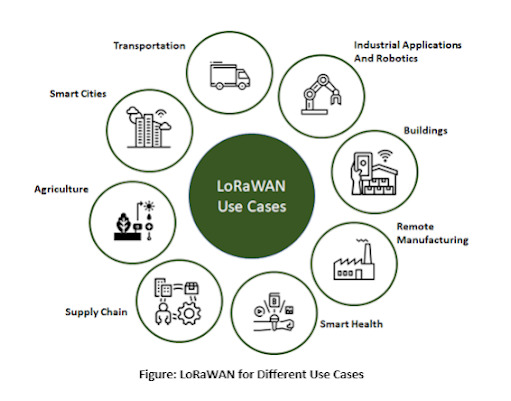
Imagine smart cities thriving with optimized resources, from intelligent parking to waste management and lighting. Precision agriculture flourishes too, thanks to real-time monitoring and eco-smart practices. LoRaWAN even tackles transportation emissions, streamlining logistics and cutting fuel consumption.

Today, Environmental Safety is our foremost responsibility to protect our Eco-System. The environment needs to be sustained in some way or the other. Our environment houses our ecosystems, allowing them to grow and thrive. Advanced technologies of today’s world are encouraging us to contribute towards a better future. LoRaWAN technology is one among them.


We celebrate World Earth Day and World Environment Day every year, and pledge to save the environment. Let’s have a glimpse into how we can contribute & change the World by making it a convenient place to live.

The LoRaWAN means Low Power, Long Range Wireless Network with various benefits highlighting here, which can lead to the reduction in material consumption, energy consumption, and carbon footprints.

1.Low Power Consumption: LoRaWAN devices consume very little power compared to other wireless communication technologies. This means that devices powered by batteries or solar panels can operate for long periods without requiring frequent battery replacements or recharging. This leads to a reduction in the environmental impact associated with battery production and disposal. 

2.Long Range: LoRaWAN technology has a long-range communication capability, which means it can cover a wider area with fewer devices, compared to other wireless communication technologies. This translates to fewer devices required for a given area, which leads to a reduction in material consumption and a lower environmental impact associated with device manufacturing and disposal.

3.Low Cost: LoRaWAN technology is relatively inexpensive compared to other wireless communication technologies. This means that the deployment of LoRaWAN networks can be done on a larger scale, covering a wider area with fewer resources. This translates to lower environmental impact associated with the manufacturing, transportation, and installation of communication devices.

4.Smart City Applications: LoRaWAN technology can be used for smart city applications such as smart parking, smart waste management, and smart lighting. These applications can optimize the use of resources, reduce energy consumption and carbon footprint, and contribute to a sustainable environment.

5.Energy Efficiency: LoRaWAN technology has a very low power consumption, which allows devices to run for long periods without the need for frequent battery replacement or recharging. This energy efficiency results in less power consumption and reduces the carbon footprint associated with power production.

6.Reduced Material Consumption: LoRaWAN networks can cover a wider area with fewer devices, compared to other wireless communication technologies. This results in less material consumption and reduces the environmental impact associated with device manufacturing and disposal.

7.Smart City Applications: LoRaWAN technology can be used in various smart city applications such as smart lighting, smart parking, and smart waste management. These applications can optimize resource use, reduce energy consumption and carbon footprint, and contribute to a more sustainable environment.

8.Precision Agriculture: LoRaWAN technology can be used in precision agriculture, where sensors and devices can monitor soil moisture, temperature, and other environmental factors. By providing real-time data, farmers can optimize their irrigation and fertilization processes, leading to less water and fertilizer use, and reducing the environmental impact of agriculture.

9.Reduced Transportation Emissions: LoRaWAN technology can be used in logistics and supply chain management, where real-time tracking of shipments can optimize routes and reduce transportation emissions. This leads to less fuel consumption and less carbon emissions.

Overall, LoRaWAN communication can contribute to environmental savings by providing energy-efficient communication, reducing material consumption, enabling smart city applications, optimizing agricultural practices, and reducing transportation emissions.

Wednesday, May 10, 2023

Enhancing Tracking with LoRaWAN Technology


 Introduction:

In today's fast-paced and dynamic world, efficient tracking of assets and personnel is crucial for businesses across various industries. LoRaWAN (Long Range Wide Area Network) technology has emerged as a powerful solution for asset and human tracking, offering extensive coverage, low power consumption, and cost-effectiveness. This article explores the benefits and applications of LoRaWAN-based tracking systems, highlighting how they enhance asset and human tracking capabilities.

Benefits of LoRaWAN for Asset & Human Tracking:

  •    Extensive Coverage: LoRaWAN networks provide wide-area coverage, enabling businesses to track assets over large geographical areas. Whether it's a sprawling warehouse, a supply chain network, or an outdoor construction site, LoRaWAN ensures reliable connectivity and tracking capabilities.
  •      Low Power Consumption: LoRaWAN devices are designed to operate on low power, resulting in extended battery life. This feature is particularly important for tracking applications, as it allows for long-lasting and uninterrupted monitoring of assets & humans without frequent battery replacements.
  •       Cost-Effective Solution: LoRaWAN technology offers a cost-effective tracking solution compared to other alternatives. The infrastructure required for LoRaWAN networks is less expensive to deploy and maintain, making it an attractive option for businesses of all sizes. Additionally, the scalability of LoRaWAN allows for efficient expansion as tracking needs grow.
  •     Safety and Security: LoRaWAN-based solutions enhance the safety and security of personnel in various scenarios, such as construction sites, hazardous environments, or large-scale events. Real-time tracking enables quick response in case of emergencies, improves accountability, and helps ensure the well-being of workers.
  •     Geofencing and Access Control: LoRaWAN allows for the creation of geofenced areas, where specific zones can be defined for authorized personnel. Access control based on LoRaWAN tracking ensures restricted entry and enhanced security in sensitive areas, such as restricted facilities or high-security zones.
  •       Personnel Monitoring: LoRaWAN-based wearable devices can be used for monitoring the health and well-being of personnel. Vital signs, such as heart rate, temperature, and movement, can be tracked in real-time, enabling early detection of health issues or accidents.


Applications of LoRaWAN for Tracking:

  • Logistics and Supply Chain Management: LoRaWAN-based tracking systems enable real-time monitoring of shipments, containers, and inventory within the logistics and supply chain industry. It ensures accurate tracking, improves operational efficiency, and enhances security by mitigating theft or loss risks.
  • Fleet Management: LoRaWAN tracking devices installed in vehicles provide detailed insights into their location, speed, and condition. Fleet managers can optimize routes, monitor driver behavior, and ensure timely maintenance, leading to improved fleet management and cost savings.
  • Industrial Asset Tracking: In manufacturing and industrial settings, LoRaWAN enables the tracking of machinery, equipment, and tools. This ensures their availability, tracks maintenance schedules, and helps prevent unauthorized usage or theft, resulting in increased productivity and reduced downtime.
  • Healthcare and Elderly Care: Human tracking has valuable applications in healthcare, especially for monitoring patients with cognitive impairments or individuals with chronic conditions. Wearable tracking devices can provide real-time location information, ensuring the safety of patients and enabling caregivers to respond promptly to any emergencies or wandering incidents.
  • Workforce Management: In industries where employees work in remote or hazardous environments, such as mining, oil and gas, or construction, human tracking ensures the safety and productivity of workers. Tracking devices help monitor their locations, track their movements, and enable efficient resource allocation and personnel management.

Conclusion:

LoRaWAN technology offers significant advantages for asset and human tracking. Its extensive coverage, low power consumption, and cost-effectiveness make it a compelling solution for businesses across industries. Whether it's tracking assets in logistics or ensuring the safety of personnel in hazardous environments, LoRaWAN-based tracking systems provide real-time visibility, improved operational efficiency, and enhanced security. As the technology continues to evolve, we can expect even more advanced and innovative applications of LoRaWAN for asset and human tracking, driving further optimization and safety in various sectors.

Tuesday, May 2, 2023

Contributing to a Sustainable Future: The Environmental Benefits of LoRaWAN Communication


Today, Environmental Safety is our foremost responsibility to protect our Eco-System. The environment needs to be sustained in some way or the other. Our environment supports and houses our ecosystems, allowing them to grow and thrive. Advanced technologies of today’s world are encouraging us to contribute towards a better future. LoRaWAN technology is one among them.

Since, we celebrate World Earth Day and World Environment Day each & every year, and have taken the pledge to bear the responsibility of saving the environment. Let’s have a glimpse into how we are contributing & can change the World by making it a convenient place to live.

The LoRaWAN means Low Power, Long Range Wireless Network with various benefits which can lead to the reduction in material consumption, energy consumption, and carbon footprints. There are a few highlights:

1.        Low Power Consumption: LoRaWAN devices consume very little power compared to other wireless communication technologies. This means that devices powered by batteries or solar panels can operate for long periods without requiring frequent battery replacements or recharging. This leads to a reduction in the environmental impact associated with battery production and disposal.

2.        Long Range: LoRaWAN technology has a long-range communication capability, which means it can cover a wider area with fewer devices, compared to other wireless communication technologies. This translates to fewer devices required for a given area, which leads to a reduction in material consumption and a lower environmental impact associated with device manufacturing and disposal.

3.        Low Cost: LoRaWAN technology is relatively inexpensive compared to other wireless communication technologies. This means that the deployment of LoRaWAN networks can be done on a larger scale, covering a wider area with fewer resources. This translates to lower environmental impact associated with the manufacturing, transportation, and installation of communication devices.

4.        Smart City Applications: LoRaWAN technology can be used for smart city applications such as smart parking, smart waste management, and smart lighting. These applications can optimize the use of resources, reduce energy consumption and carbon footprint, and contribute to a sustainable environment.


5.        Energy Efficiency: LoRaWAN technology has a very low power consumption, which allows devices to run for long periods without the need for frequent battery replacement or recharging. This energy efficiency results in less power consumption and reduces the carbon footprint associated with power production

6.        Reduced Material Consumption: LoRaWAN networks can cover a wider area with fewer devices, compared to other wireless communication technologies. This results in less material consumption and reduces the environmental impact associated with device manufacturing and disposal.

7.        Precision Agriculture: LoRaWAN technology can be used in precision agriculture, where sensors and devices can monitor soil moisture, temperature, and other environmental factors. By providing real-time data, farmers can optimize their irrigation and fertilization processes, leading to less water and fertilizer use, and reducing the environmental impact of agriculture.

8.       Reduced Transportation Emissions: LoRaWAN technology can be used in logistics and supply chain management, where real-time tracking of shipments can optimize routes and reduce transportation emissions. This leads to less fuel consumption and less carbon emissions.

Overall, LoRaWAN communication can contribute to environmental savings by providing energy-efficient communication, reducing material consumption, enabling smart city applications, optimizing agricultural practices, and reducing transportation emissions.

Monday, April 24, 2023

Smart Energy Metering Systems


In recent years, there has been a growing trend towards using smart energy metering systems to monitor and manage energy consumption. LoRaWAN-based smart energy metering systems are one such technology that has emerged as a promising solution for monitoring and managing energy usage. In this article, we will explore the benefits of LoRaWAN-based smart energy metering systems and how they work.

What is LoRaWAN-based Smart Energy Metering System?

LoRaWAN (Long Range Wide Area Network) is a wireless communication technology that provides long-range, low-power communication capabilities. LoRaWAN-based smart energy metering systems use this technology to transmit energy consumption data wirelessly from the meter to a central server or cloud-based platform. The data can be accessed by users via web-based portals or mobile apps.

How does it work?

LoRaWAN-based smart energy metering systems consists of LoRaWAN Device fixed inside the Energy Meters & made this Energy Meters Smart. LoRa Device is responsible for two way communication via LoRaWAN Gateway.

The Smart Energy Meter is thus connected to a LoRaWAN gateway, which acts as a bridge between the meter and the central server or cloud-based platform. The gateway receives data from the meter and transmits it wirelessly to the central server or cloud-based platform. This data can be accessed by users via web-based portals or mobile apps, enabling them to monitor their energy usage and make informed decisions about energy consumption.

If the LoRa device is on Class C, one can read the parameters anytime by sending downlink to the device through Application or Web-page.

Smart Energy meter can be turned ON and OFF by sending downlink anytime from the Application. It can also be recharged through downlink.

There are various parameters which can be read like: - KWh EB, KWh DG, Relay On/Off Status, EB/DG status, balance amount, over load check, frequency, Voltage, Current, PF, KW load, KVA load, KVAR load etc.

Benefits of LoRaWAN-based Smart Energy Metering Systems:

Improved Energy Efficiency: LoRaWAN-based smart energy metering systems provide users with real-time data on their energy consumption, enabling them to identify areas where energy is being wasted and take corrective actions to reduce energy consumption.

Cost Savings: By identifying areas where energy is being wasted and taking corrective actions, users can significantly reduce their energy bills.

Environmental Sustainability: LoRaWAN-based smart energy metering systems enable users to reduce their carbon footprint by monitoring and reducing their energy consumption.

Remote Monitoring: LoRaWAN-based smart energy metering systems can be monitored remotely, enabling energy providers to detect faults and meter tampering quickly.

Long Range Communication: LoRaWAN-based smart energy metering systems provide long-range communication capabilities, enabling communication over several kilometers, making it suitable for use in rural areas.


Conclusion:

LoRaWAN-based smart energy metering systems provide a range of benefits to users, including improved energy efficiency, cost savings, environmental sustainability, remote monitoring, and long-range communication capabilities. As the world continues to focus on sustainability and reducing carbon footprints, LoRaWAN-based smart energy metering systems are likely to become even more popular in the coming years.

Monday, April 17, 2023

LoRaWAN Network - Security Analysis


LoRaWAN (Long Range Wide Area Network) is a low-power, long-range wireless communication protocol used for IoT (Internet of Things) applications. LoRaWAN devices come in three classes, each with different power consumption and communication capabilities. In this article, we will discuss LoRaWAN device classes and the security measures implemented in them.

LoRaWAN Device Classes

LoRaWAN devices are categorized into three classes: Class A, Class B, and Class C.

Class A devices are the most common type of LoRaWAN devices. They have the lowest power consumption and the longest battery life among the three classes. Class A devices have a bi-directional communication scheme, which means that they can only receive data from the gateway after transmitting data. After transmitting data, the device will wait for a random amount of time before listening for a response from the gateway. If no response is received, the device goes back to sleep until the next scheduled transmission.

Class B devices have additional listening windows for receiving data from the gateway. They have a fixed schedule for opening the listening windows, which is synchronized with the gateway. Class B devices are useful for applications that require low latency and a higher data rate than Class A devices.

Class C devices have the highest power consumption and the shortest battery life among the three classes. They have a continuous listening mode, which means that they are always listening for data from the gateway. Class C devices are useful for applications that require real-time data communication.

 LoRaWANSecurity

LoRaWAN implements several security measures to protect against various types of attacks. The following are the security measures implemented in LoRaWAN devices:

Authentication: LoRaWAN uses a unique device identifier (DevEUI) and a network session key (NwkSKey) to authenticate devices. The NwkSKey is used to encrypt the network traffic between the device and the gateway.

Encryption: LoRaWAN uses the Advanced Encryption Standard (AES) algorithm to encrypt the network traffic between the device and the gateway. The encryption key is derived from the NwkSKey.

Message integrity: LoRaWAN uses a message integrity check (MIC) to ensure that the network traffic between the device and the gateway has not been tampered with.

Join request security: When a new device joins the network, it must send a join request to the gateway. The join request is encrypted using the AppKey, which is a shared key between the device and the application server.

Frequency hopping: LoRaWAN devices use frequency hopping to prevent interference and jamming attacks.

Physical security: LoRaWAN devices are designed to be tamper-resistant, with features such as secure boot and firmware over-the-air (FOTA) updates.

Conclusion

LoRaWAN is a popular wireless communication protocol for IoT applications due to its low power consumption, long range, and high reliability. LoRaWAN devices come in three classes, each with different power consumption and communication capabilities. LoRaWAN implements several security measures to protect against various types of attacks, including authentication, encryption, message integrity, join request security, frequency hopping, and physical security. By implementing these security measures, LoRaWAN ensures the integrity, confidentiality, and availability of the network traffic between the devices and the gateway.

Unraveling the Impressive Range of LoRaWAN Technology in Sustainable Connectivity

In the dynamic realm of the Internet of Things (IoT), LoRaWAN (Long Range Wide Area Network) stands out as a transformative force, reshaping...